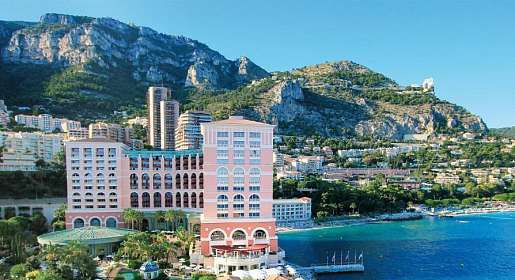
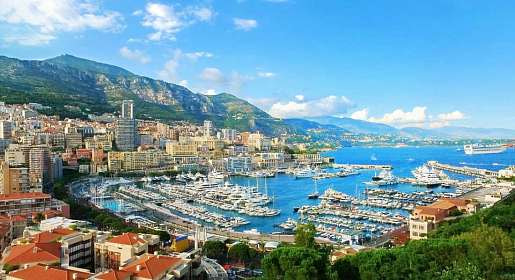
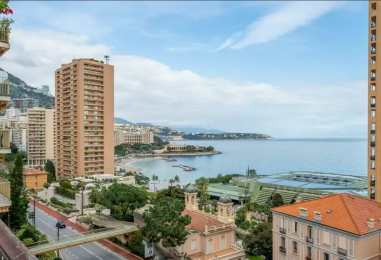
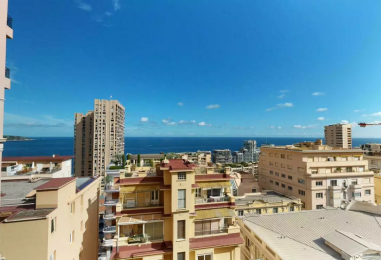
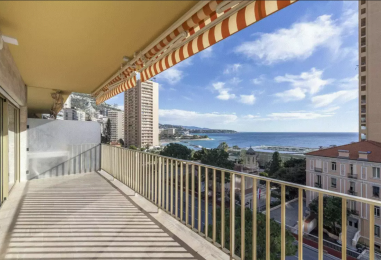
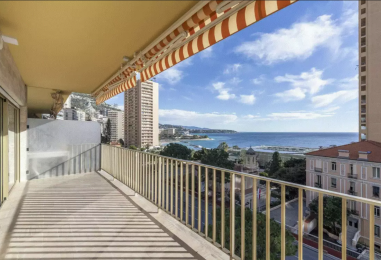
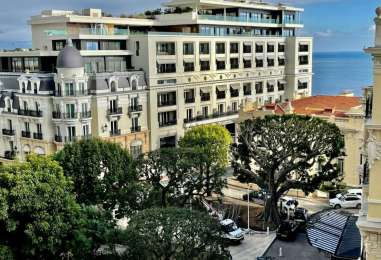
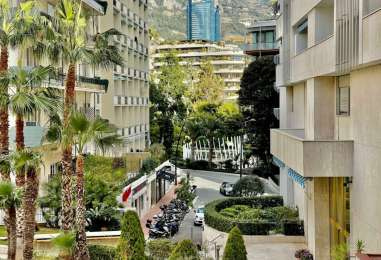
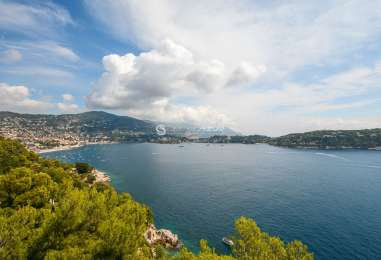
Rising above Port Hercule and the Mediterranean, Monte-Carlo offers one of the Côte d’Azur’s most recognisable and admired skylines. Centrally located within Monaco, the district combines coastal beauty with urban elegance, shaping the distinctive international identity for which it is renowned.
History and Development of Monte-Carlo
The modern history of Monte-Carlo begins in the mid-19th century, when Prince Charles III initiated the transformation of the sparsely developed Plateau des Spélugues into an exceptional district designed to revitalise Monaco’s economy. In 1866, the area officially took the name Monte-Carlo, in honour of the sovereign.
The opening of the casino, followed by the arrival of the railway, propelled Monaco onto the international stage. With improved accessibility, Monte-Carlo quickly became a meeting point for European aristocracy, artists and affluent travellers.
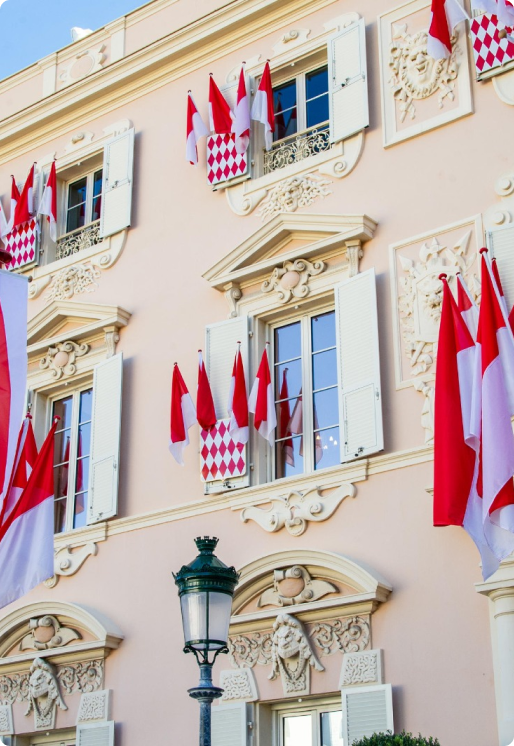
The inauguration of the Salle Garnier in 1878 — designed by Charles Garnier, the architect of the Paris Opera — strengthened the district’s cultural standing. In the early 20th century, Monte-Carlo continued to expand with elegant boulevards, grand hotels and Belle Époque buildings that still define its character today.
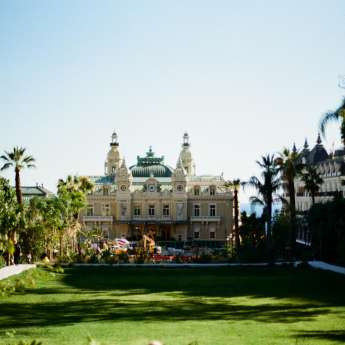
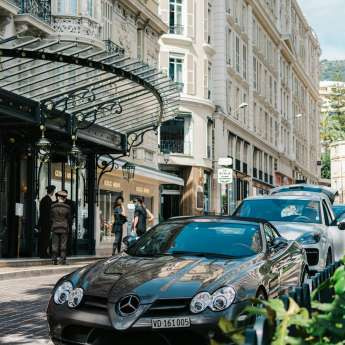
This heritage remains visible: the Casino, the Hôtel de Paris and the Café de Paris continue to embody the district’s golden era. Alongside these historic landmarks, Monte-Carlo has evolved through contemporary developments — prestigious residential buildings, modern infrastructure and ambitious architectural projects — that complement its historic landscape.
Lifestyle in Monte-Carlo
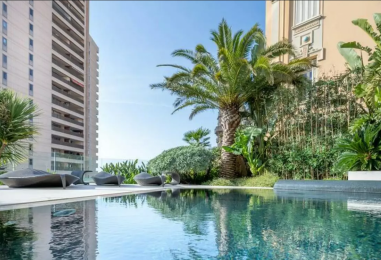
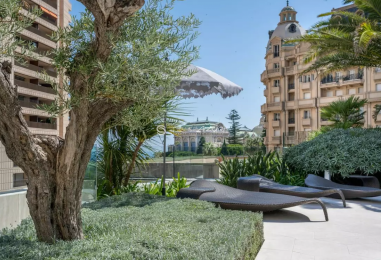
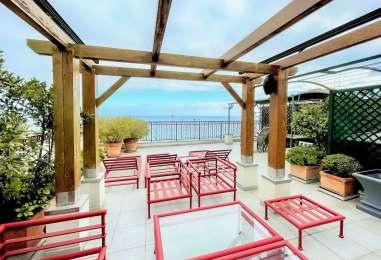
Monte-Carlo offers a distinctive way of life, defined by an elegant and refined atmosphere. The district combines dynamic city life with moments of calm, featuring beautifully landscaped gardens, bright terraces, seaside promenades and direct access to Larvotto Beach.
High-end services, modern amenities, local shops and exceptional safety ensure a smooth and serene everyday experience — appreciated by families as well as international residents seeking a sophisticated environment.
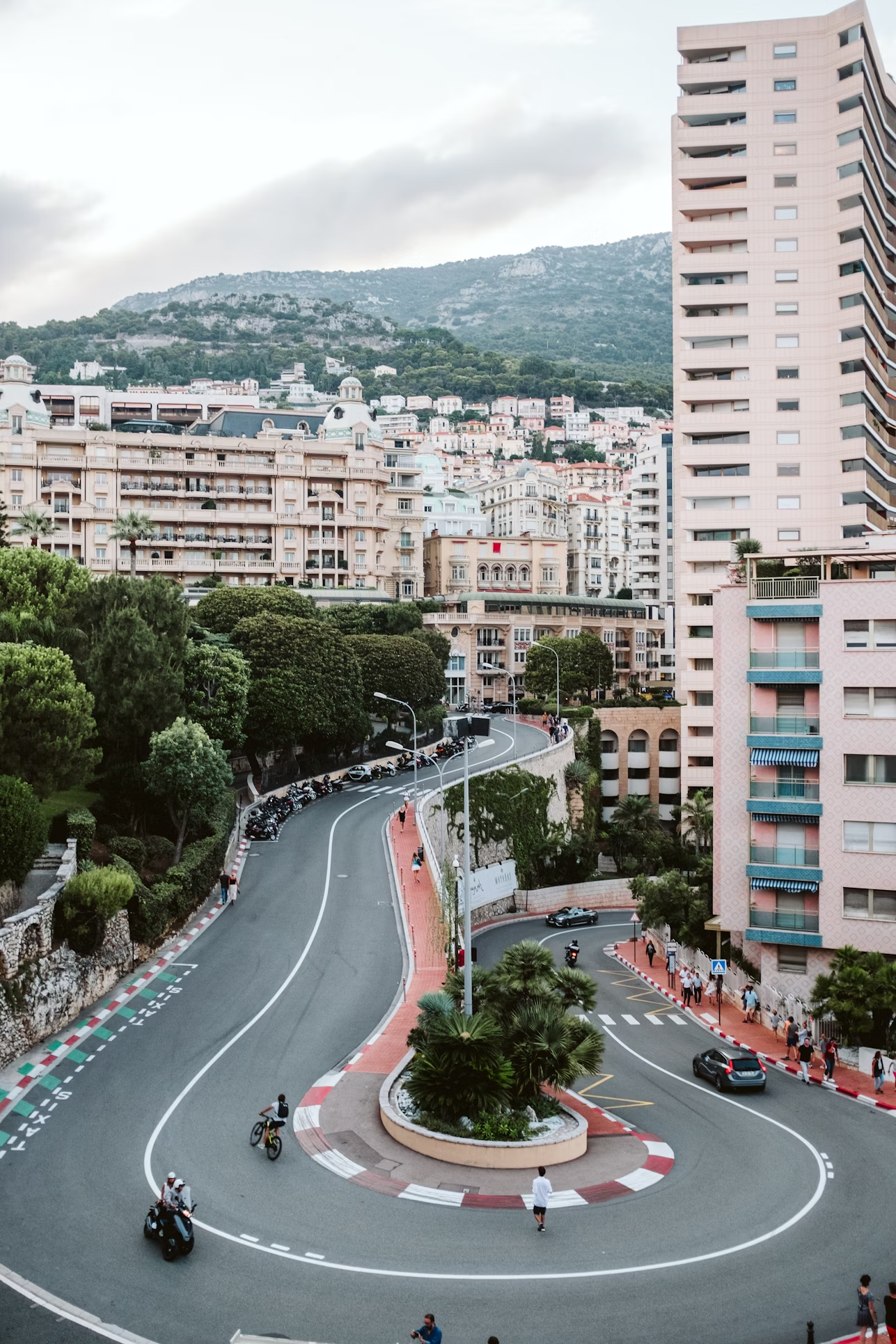
Monte-Carlo also hosts major international events such as the Monaco Grand Prix, the Monaco Yacht Show and the Bal de la Rose, all contributing to its global appeal and unique atmosphere.
Main attractions
-
Casino de Monte-Carlo – A Belle Époque masterpiece and an emblem of Monaco’s entertainment culture.
-
Salle Garnier (Opéra de Monte-Carlo) – Hosts operas, concerts and ballets.
-
Hôtel de Paris Monte-Carlo – A legendary palace opened in 1864, renowned for its tradition and excellence.
-
Hôtel Hermitage Monte-Carlo – A Belle Époque landmark offering timeless elegance in the heart of the district.
-
These iconic hotels uphold Monaco’s tradition of hospitality, while the boutiques of One Monte-Carlo and the Allée Princesse Charlène bring together the world’s most exclusive fashion and jewellery houses.
Residential Market in Monte-Carlo
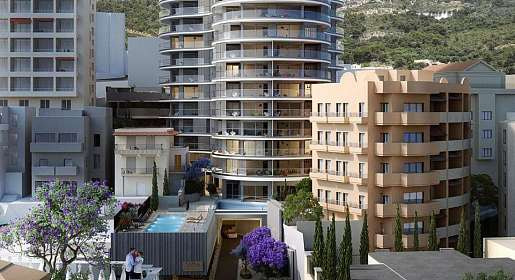
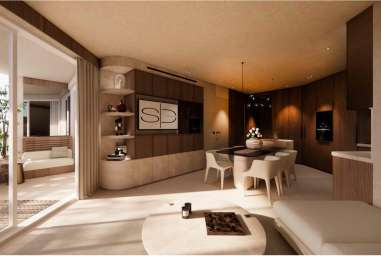
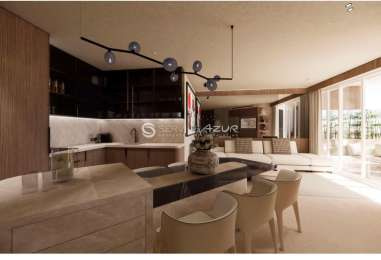
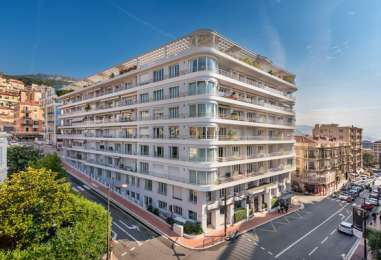
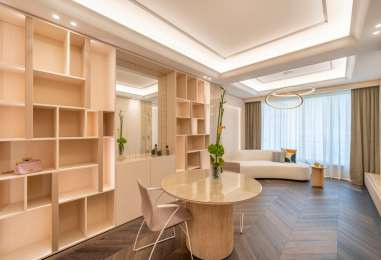
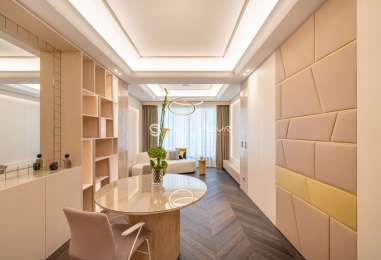
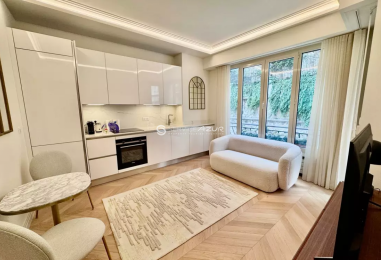
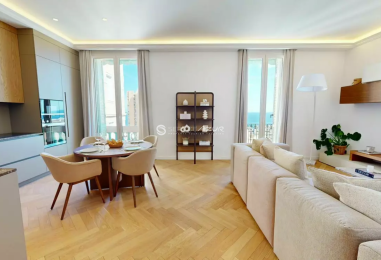
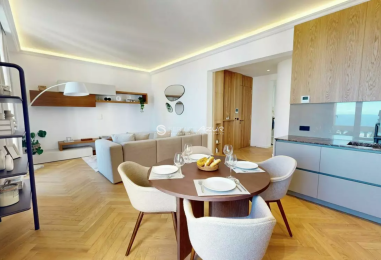
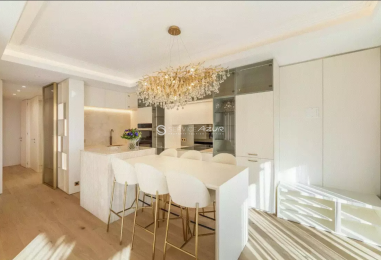
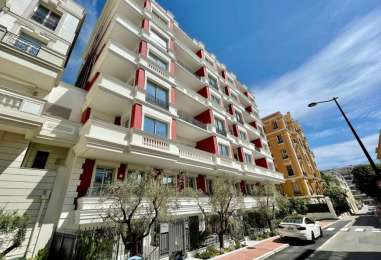
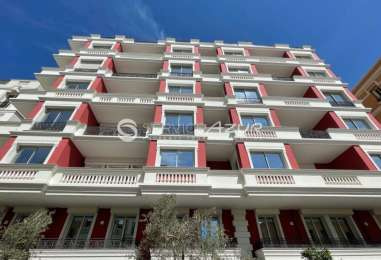
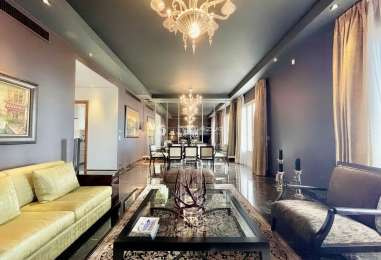
Monte-Carlo is home to one of the most prestigious real estate markets in the world. Demand consistently exceeds supply due to the scarcity of land, the district’s central location and its international appeal. Residences often offer sea views, high-end architecture and premium services such as concierge, security and wellness facilities.
Le Millefiori
Address: 1, Rue des Genêts
Year of construction: 1969
Floors: 37
Number of apartments: 190
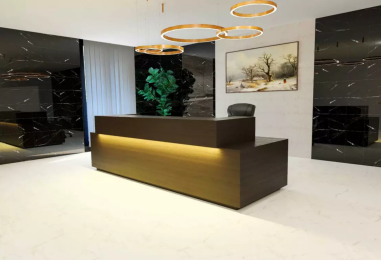
Security and services: 24-hour security, concierge, on-site staff
Facilities: underground parking, panoramic views over the sea and city
Le Victoria
Address: 13, Boulevard Princesse Charlotte
Year of construction: 1946
Floors: 7
Number of apartments: 150
Security and services: concierge, security
Facilities: Art Deco architecture, cellars
Buckingham Palace
Address: 11, Avenue Saint-Michel
Year of construction: 1980
Floors: 12
Security and services: concierge
Facilities: large terraces, private parking spaces, some sea views